
Sample Programs Based On Our Books
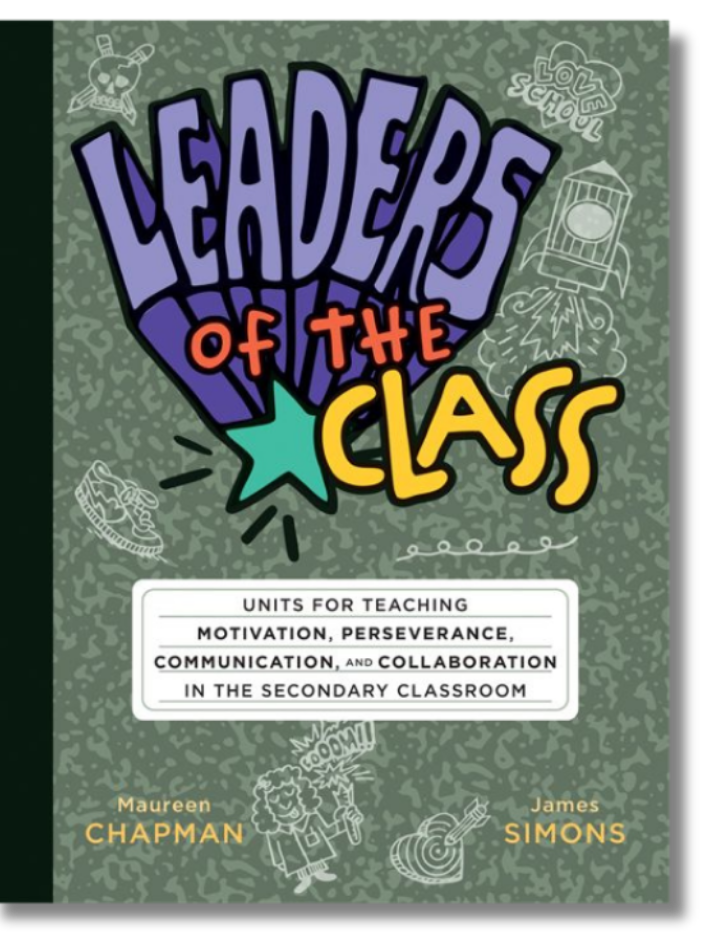
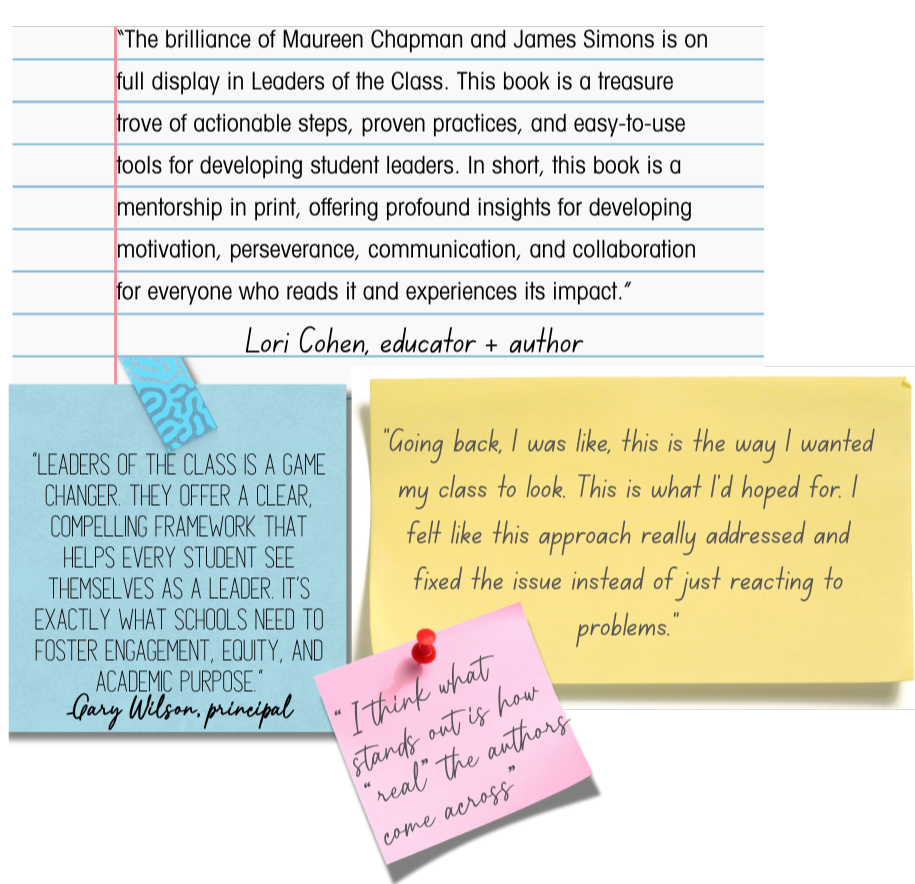
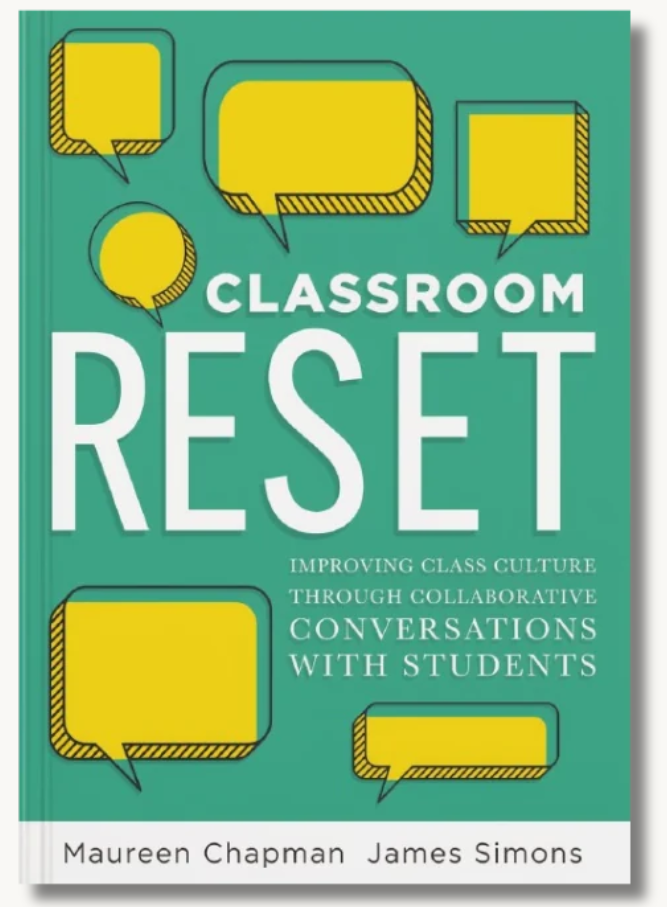
Classroom Reset In this interactive workshop, educators prepare to reset their classroom culture by collaborating with their students to increase learner motivation and engagement, minimize maladaptive behaviors, and reconnect with the joys of teaching and learning. Participants start by assessing their classroom conditions, setting an improvement goal, and selecting an instructional strategy for achieving this goal. They then make plans to go through the same protocol with their students. Using a script template, they prepare to lead a class conversation focused on collaboratively addressing issues, setting goals, and experimenting with improvement strategies. The result is a classroom culture that feels positive and productive for everyone in the room.
Realizing your Portrait of a Learner Many Portraits of a Learner articulate desired student competencies. How can districts strategically scale effective educator practices to ensure that all students realize this vision of engagement and growth? In this interactive session, participants explore a three-phase approach that includes assessing conditions, setting Portrait-aligned goals, and assembling faculty-led workgroups to pilot engagement strategies, disseminate best practices, and support fellow educators to adopt these practices. After reviewing case studies and other resources, participants make practical plans for scaling student engagement strategies in their districts.
Student Engagement Strategies In this workshop, educators explore interactive pedagogy strategies, aligned to the practices in their Curriculum Frameworks, for increasing the motivation, engagement, and achievement of all students in their classes. Participants practice high-engagement routines for teaching and assessing the communication and collaboration skills that students require for academic success. They then make concrete plans for embedding these routines in their lessons.
Igniting Student Motivation Explore strategies to help all students experience motivation and engage productively in your class. Through these strategies, support students to process how their emotions and their sense of self connect to their academic work. Strategies include speaking motivationally about academic work; incorporating reflection and goal-setting; building emotional awareness; supporting students to connect the academic work to their own experiences, interests and goals; and engaging in effective teacher-student coaching conversations.
Teaching Perseverance Skills There is nothing more rewarding for us as educators than to see our students achieve success on complex, meaningful work. In this session, participants collaborate to answer the following question: How can I teach and assess the SEL skills of perseverance needed for student success in my classroom in ways that are manageable and logically connected to my academic curricular goals? Participants learn and practice specific strategies for teaching and assessing perseverance skills that can be applied to units, lessons, and daily routines. Finally, participants reflect upon how they might utilize these strategies in their own classroom contexts.
Practicing + Promoting Self-Regulation Skills In this interactive session, participants learn how to recognize and understand dysregulation in both themselves and their students. They unpack common root causes of dysregulation and then explore a suite of strategies for teaching young students the skills of self-regulation. These strengths-based, Tier 1 practices can be embedded in their preexisting curriculum and classroom routines. Educators leave having co-constructed a menu of strategies and a plan for teaching and modeling self-regulation in developmentally appropriate ways.
Teaching Effective + Appropriate Communication For students to build strong relationships and grow their academic skills, they must communicate appropriately and effectively. In this interactive session, educators explore tools and routines to activate students’ communication skills and ensure that they have the confidence and competence needed to receive feedback, share their own perspectives and experiences, and engage in academic discourse.
Teaching the Skills of Collaboration In this interactive session, participants engage in collaborative group work with the goal of preparing to support students to do the same. Participants adopt group roles as they engage in collaborative experiences that can be replicated with students, such as constructing a group contract, using stations, and engaging in a Jigsaw. Participants then share about their experiences facilitating student collaboration, and work together to strategize and make plans for successful student collaboration in their classrooms.
From Summative to Showcase Participants in this interactive session use straightforward protocols and field-tested models to redesign one of their summative assessments in order to increase authenticity and relevance to students. They engage with tools that support student agency and collaboration and then have time to work independently and collaboratively to use these tools to adapt a summative assessment to create an authentic task aligned to the goals of the unit that students would be proud to showcase.


